
Master of Arts in Counselling Psychology
Prepare for professional registration and practice with Canada’s leading online counsellor education graduate program.



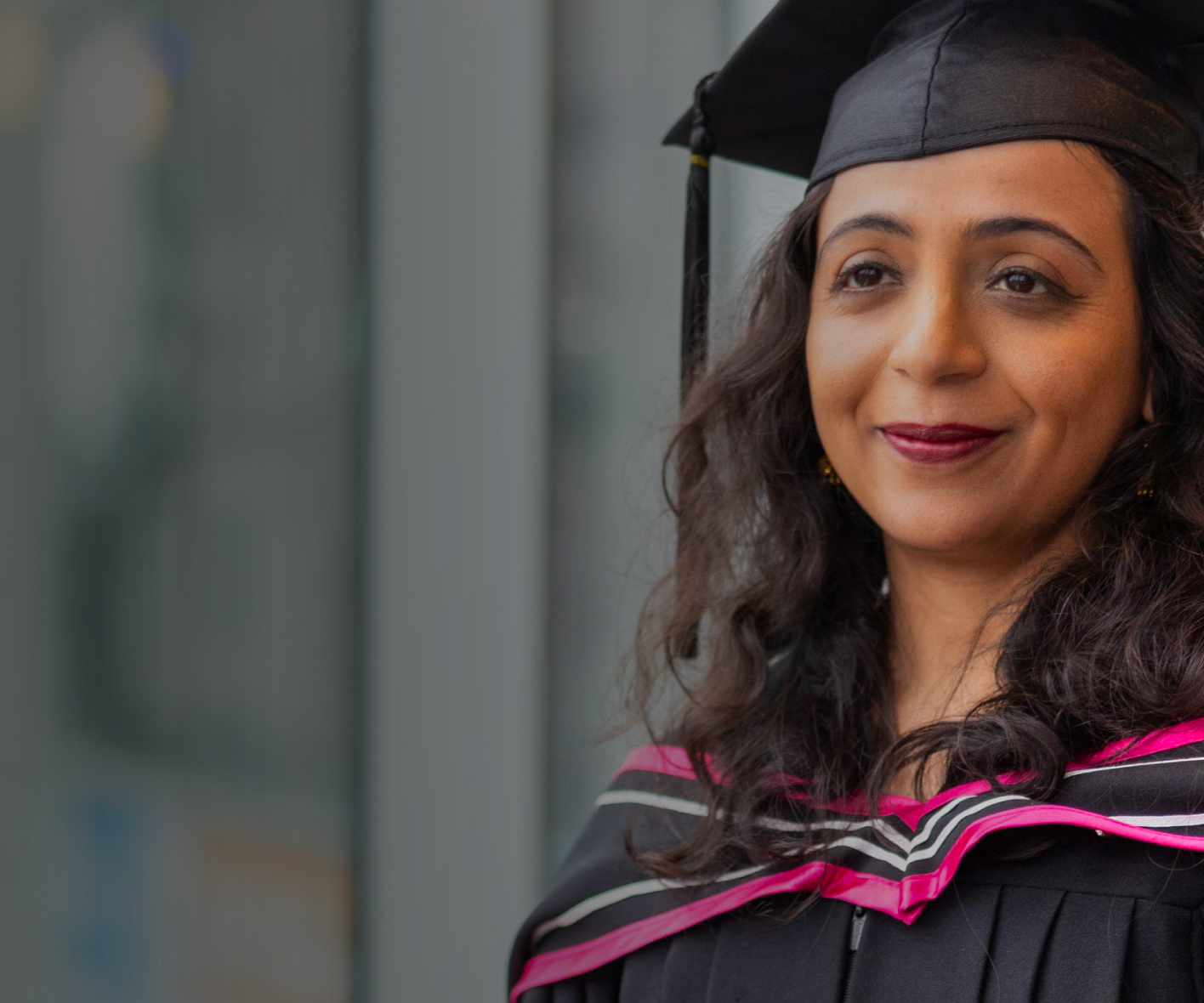
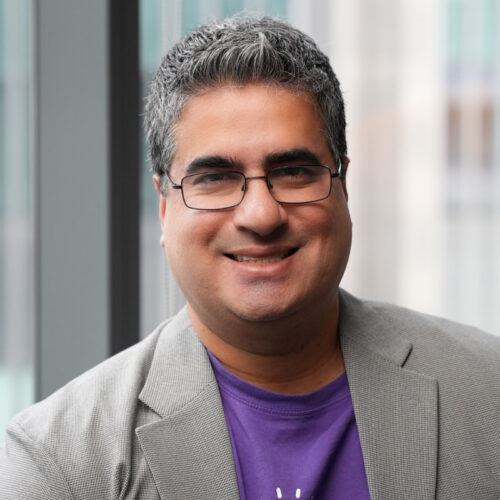
The MACP helped me build a new career in psychology while raising my kids and rebuilding my life. It proved second chances are real.
Sumbul Zahra
Registered Psychotherapist, Zahra Wellness & Counselling
Become the Guide People Trust in Life’s Most Difficult Moments
Build the academic foundation to prepare for provincial registration through skills-development courses and a supervised practicum that shapes your competence, judgment, and professional identity. Our nationally recognized curriculum integrates counselling theory, assessment, professional ethics, and evidence-based therapeutic approaches. The faculty of active clinicians cultivate the relational depth that turns skilled practitioners into trusted change-makers. In this field, your skills don’t just build careers, they rebuild lives.
Duration
As Few as 2.5 Years*
*With full course load, year-round study and/or approved transfer credits. Contact an Admissions Advisor for more information.
Tuition
$50,620*
Cost per credit: $1,030
Total credits: 49
Application fee: $150
*Total program cost may be reduced when applying applicable transfer credits.
Campus
Online
With synchronous components.
Starts
January, May, September
Your Program. Your Advantage.
Start Your Application
Start Your Application
Hear From Our Grads


Professional Registration Pathways
The Master of Arts in Counselling Psychology program is recognized by provincial and national associations and regulatory bodies, allowing you to apply for registration or membership with a range of organizations, including the examples below.
If your future career plans include becoming a registered mental health practitioner, it’s important for you to know that requirements for certification, registration, or membership with provincial regulatory bodies and professional associations vary. If you are aiming to become a registered Psychologist, Psychotherapist, or Counsellor, be aware that these professions are highly regulated, and that specific requirements differ by province and may change over time.




Admission Requirements
To Apply You Will Need
- Completed online application and $150 application fee
- Official undergraduate transcript and proof of a bachelor’s degree
- Resume and statement of interest
- Two academic or professional references
- Detailed course descriptions if applying for transfer credits
- Completed one year (150 hours) or equivalent paid and/or volunteer experience attestation form if applicable
- Proof of English language proficiency for international applicants
Minimum Academic Requirement
You will need a minimum CGPA of 3.0 on a 4.0 or 4.3 scale, or a GPA of at least 3.0 in your final 60 undergraduate credits.
Flexible Admissions Pathways
We offer multiple admissions pathways to support diverse backgrounds, from a transferrable undergraduate major to relevant work and volunteer experience.
Course Descriptions
Start Your Application
Start Your Application
Program Description
The goal of this applied program is to ensure that students acquire advanced and specialized knowledge while developing the conceptual skills and intellectual creativity consistent with a master’s level qualification in counselling psychology. Our pedagogical objective is to provide students with a sound foundation in the theory and practice of professional counselling. Students are required to demonstrate application of that knowledge within the boundaries and ethics of counselling psychology. They are expected to work with complex issues, both systematically and creatively to enhance and promote the positive growth, well-being, and mental health of their clients across diverse settings.
While now embedded in many societies, the counselling discipline is also evolving as social norms change. Our academic program prepares students to adapt to these changes using sound, educated judgment, personal resources, and an in-depth understanding of the practical issues confronting the real and complex world of professional counselling.
The program offers a flexible online learning experience, and a state-of-art curriculum designed to equip aspiring counsellors in Canada with the skills and knowledge needed to make a meaningful impact in their field. The program consists of a total of 49 study credits, including 43 study credits obtained through academic courses and 6 study credits obtained through a supervised practicum course.
The Master of Arts in Counselling Psychology from Yorkville University is an approved program toward upgrading a teacher’s certificate in New Brunswick. The program was approved by the Minister’s Advisory Committee on Teacher Certification in October 2004.
4 Credits
This course introduces students to a biopsychosocial framework for counselling psychology that draws upon the physical, mental, and social health disciplines creating an interdisciplinary model from these three pillars. This model is illustrated through the examination of selected counselling issues, such as but not limited to anxiety, depression, attention deficit hyperactivity disorder and neurocognitive factors. The course also introduces the Culturally Responsive and Socially Just model which further expands this framework into deeper levels of social and cultural understanding. Students will examine and apply these two primary frameworks to the professional counselling arena and build understanding around the foundational framework of treatment through a Canadian context. The course considers the personal role of the counsellors’ identity; the treatment within a therapeutic relationship; case conceptualization; outcome evaluation; and prevention.
3 Credits
This course provides students with an understanding of the concepts and principles involved in psychological assessment and the use of both standardized and non-standardized instruments. Students will learn the concepts involved in psychological assessment, educational testing, and evaluation. The course will also examine the effects of clinical assessment on clients. Counsellors must become knowledgeable users of assessment data in the clinical decision-making process. Students will develop their skills for selecting, administering, scoring, interpreting, and analyzing test data in a clinical setting. Also, they will familiarize themselves with psychometric instruments, their philosophical and statistical properties, and the pros and cons of various assessment approaches. The course will also address cultural diversity issues and teach students how to approach social and ethical issues in assessment.
- Pre-requisite: PSYC6246 Counselling Skills and Competencies required.
3 Credits
Counselling Methodologies: Psychodynamic and Humanistic Modalities is a review of the most important contemporary psychodynamic and humanistic approaches of counselling and psychotherapy, focusing on: underlying philosophical assumptions, major concepts, views of personality, the therapeutic process, the counsellor’s role, typical interventions, and targeted outcomes. The current approaches to counselling and psychotherapy selected for this course will also be explored with respect to the relations between theorists and their theories, as well as between counsellors and their clients. Cross-cultural and gender-related aspects will be considered for each of the counselling schools under study. Students will endeavour to recognize the links between theory and practice, between constructs and applied techniques or interventions. Students will integrate the course material from: the textbook, supplementary articles, professor’s notes, and online class discussions. Students will also be encouraged to conduct their own further research on topics of interest, by accessing library resources and pertinent professional Internet sites. Students will examine the similarities and differences among approaches, and thus lay the foundation for the development of a personally meaningful approach to counselling.
3 Credits
This course is a continuation of PSYC 6153, with an examination of some of the core theories and methods which influence and direct the practices of contemporary psychotherapy. Cognitive behavioural therapy, one of the most commonly utilized therapeutic models will be looked at in detail. Additionally, structured training exercises in basic interviewing/counselling skills will be presented. An overview of emerging evidence concerning factors common to all therapies will also be reviewed.
3 credits (required by students expecting to practice in a location other than the province of Alberta)
Course content follows the code of ethics, standards of practice and models for engaging in ethical decision-making of regulatory and collegial professional associations in enhancing the quality of counselling services. Ethics focuses on applying ethical principles to clinical/counselling activities and other related professional responsibilities regarding ethical decisions, personal values and professional competence, informed consent and confidentiality, professional boundaries and services across diversity/cultures, treatment challenges and ethics for the 21st century. The course content will integrate theoretical knowledge and practical skills in addressing complex dilemmas in the counselling profession.
- Prerequisite(s): PSYC 6104 A Biopsychosocial Approach to Counselling and PSYC 6213 Research Methodology.
3 credits
(required for students seeking to practice in the province of Alberta)
The course is designed for students to increase their knowledge of the ethical, legal, and professional standards essential to the practice of psychology in Canada. More specifically, students examine the current Canadian Code of Ethics for Psychologists as well as the current Standards of Practice as defined by the College of Alberta (CAP) and apply these to various ethical scenarios and dilemmas that arise in psychological practice. Course topics will include, but are not limited to, ethical issues that are consistent across psychological settings such as competency, informed consent, confidentiality, dual relationships, maintaining professional boundaries, appreciating diversity and ethical decision-making skills. Understanding of and adherence to professional regulations, as described in the College of Alberta Psychologists (CAP) Standards of Practice and associated guidelines and practice alerts, will be of central focus.
- Prerequisite(s): PSYC 6104 A Biopsychosocial Approach to Counselling and PSYC 6213 Research Methodology.
3 credits
This course provides students of counselling with the tools needed to critically review and evaluate scientific research and develop the basic elements of a research proposal. Students will explore the body of counselling research, critique selected studies, and develop elementary research design skills, thereby gaining a sound understanding of the scientific method and the ethical considerations bearing on the research process. Strong familiarity with the scientific method allows professionals to understand psychological research and integrate it with daily practice. The scientific method can best be learned by studying all aspects of scientific research, including basic design, implementation, interpretation of results, and the drawing of conclusions.
- Pre-requisite(s): PSYC 6104, A Biopsychosocial Approach to Counselling
3 credits
Groups are becoming increasingly popular in counselling interventions. Although this trend is partly driven by budget restrictions, the primary advantage of group counselling is that participants get the opportunity to learn from each other. Other benefits from group counselling include that groups can more closely resemble everyday circumstances, they help to build a sense of community and belonginess, they normalize “issues” as members find commonalities with others, and, especially in working through interpersonal challenges, they can be very therapeutic. This course will take a multimedia approach to introducing group counselling skills across diverse theoretical perspectives, ages and stages of development, and types of problems. A comprehensive textbook, bundled with a DVD, presents theory, practical applications, and numerous role-played examples of group facilitation skills. Journal articles, video clips from YouTube, interactive discussion forums, and assignments, focusing on group counselling for diverse ages, issues, and specific populations will all enhance students’ learning in this course. Students will be expected to actively participate in e- groups (asynchronous and/or synchronous) during this course and critically examine their own experiences both as group members and facilitators. Through the skills practice, students are expected to demonstrate awareness of group specific ethical concerns (e.g., limits to ensuring confidentiality) and enhance their basic group facilitation and group counselling competencies, including active listening, non-verbal communication, problem-solving, deepening focus, cutting off, drawing out, role-playing, closing, and the use of dyads and rounds.
- Prerequisite(s): PSYC 6153, Counselling Methodologies- Humanistic & Psychodynamic Modalities, PSYC 6163, Counselling Methodologies- Behavioural & Cognitive Modalities and PSYC 6246, Counselling Skills & Competencies
6 credits
This course provides students the opportunity to learn basic counselling skills and competencies essential to initiating and maintaining relationships with clients, regardless of specific theoretical orientation. Students engage in case conceptualization using one of four theoretical perspectives (Person-Centred Therapy; Cognitive-Behavioural Therapy; Structural Family Therapy; or Solution-Focused Therapy) and apply this theoretical approach in a counselling session with a client. By means of weekly structured practice assignments students learn how to identify and conduct competent counselling interviews. (Note: Students must earn at least 70% on each graded component of this course. Even if a student’s overall grade in the course is 70% or higher, if a grade on any component of the course is below 70%, s/he will be required to repeat the course.)
- Pre-requisite(s): PSYC 6153, Counselling Methodologies- Humanistic & Psychodynamic Modalities and PSYC 6163, Counselling Methodologies- Behavioural & Cognitive Modalites
6 credits (10 weeks)
Using both humanistic and cognitive-behavioural framework, this course provides practice in the planning and implementation of client change interventions in counselling and psychotherapy. Students work in a variety of simulated contexts to gain practice using a range of frequently used counselling interventions that have demonstrated clinical efficacy.
- Pre-requisites: PSYC 6203, Ethical Standards for Mental Health Service Providers and PSYC 6246, Counselling Skills and Competencies
3 credits
This course is designed to provide the student with the skills and competencies necessary to effectively deal with the interpersonal and intrapersonal dynamics of intimate relationships and family systems. Family interaction and communication patterns, conflict resolution, the impact of children on relationships, and other factors that influence family systems will be introduced. Ethical considerations regarding intimate partner violence/domestic abuse will be considered. The two major written assignments will focus in depth on one or more of the theoretical family systems frameworks covered in this course.
- Prerequisite(s): PSYC 6223, Group Counselling
3 credits
The cultural differences among people must be taken into account when structuring counselling interventions. Identity formation, worldview, communication style, and acculturation will be studied from the perspective of the significant cultural minorities found in Canada. Multicultural competence does not just guide interventions, it permeates all interpersonal dynamics among individuals of different gender, age, sexual orientation, race, cultural membership, able-bodied status, etc. This course is designed to enhance students’ understanding of the role of personal, ethnic, social, and cultural factors in multicultural counselling and mental health service delivery. Multicultural competence does not just guide interventions, it permeates all interpersonal dynamics among individuals of different, gender, age, sexual orientation, race, cultural membership, able-bodied status, etc.
From Skill Development to Real-World Practice
Guided Training Before Client Work
Build professional readiness before practicum through guided exercises, faculty feedback, and real client scenarios that strengthen core counselling techniques and prepare you for client conversations.
23 weeks of focused clinical preparation
Synchronous faculty-led sessions and feedback
A Practicum That Shapes Practitioners
Your 400-hour supervised practicum is where theory becomes practice. Through direct client contact and guided supervision, you build real confidence in real counselling environments.
91% say the practicum prepared them for real clinical work
78% discussed employment opportunities with their practicum site supervisor
Where Our Grads Work

Meet the Dean
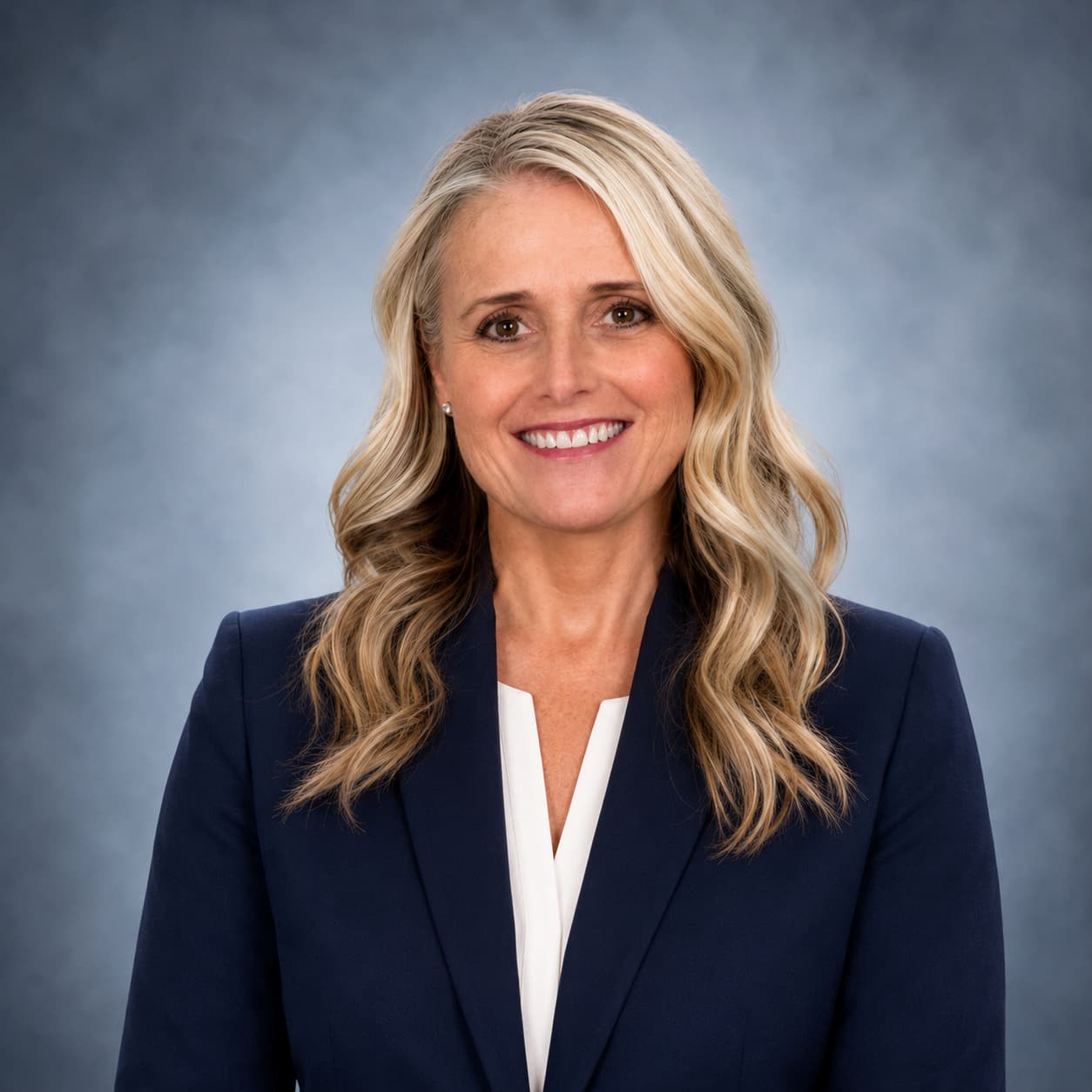
Dr. Tamara Dalrymple brings over 30 years across clinical mental health, leadership, and post-secondary education, spanning community mental health, clinical supervision, private practice, and counsellor education.
She holds a Doctor of Psychology and a Master of Arts in Educational Leadership and Counselling, has been a Registered Clinical Counsellor and member of the Canadian Psychological Association for over 25 years, and is designated as a Board-Certified Neurofeedback Practitioner and Approved Clinical Supervisor.
Frequently Asked Questions
Explore answers to common questions. If you don’t see what you’re looking for, connect with an Admissions Advisor for personalized support.
Careers & Professional Registration
What careers can I pursue after graduating from the MACP program?
Graduates of the MACP program can go on to work in roles such as counsellor, psychotherapist, therapist, psychometrist, consultant, or mental health service provider. These roles can exist in settings including private practice, community mental health organizations, schools, healthcare environments, and social service agencies.
Will this program help me become a registered counsellor or psychotherapist?
The MACP program is designed to provide the academic preparation required to pursue professional registration in counselling or psychotherapy.
Graduates may be eligible to pursue registration, membership, or certification with the following regulatory bodies and professional associations, depending on jurisdiction and additional post-graduate requirements.
We encourage all prospective students to consult the appropriate regulatory body or association for current requirements.
Canadian Counselling and Psychotherapy Association (CCPA)
By Province
- British Columbia: (counselling/psychotherapy not yet regulated) Can currently apply for registration through BC Association of Clinical Counsellors (bcacc.ca) and/or CCPA
- Alberta: College of Alberta Psychologists (cap.ab.ca), (counselling/psychotherapy not regulated) Can apply for registration through Association of Counselling Therapy of Alberta (ACTA) and/or CCPA
- Saskatchewan: (counselling/psychotherapy not regulated) Can apply for registration through CCPA
- Manitoba: (counselling/psychotherapy not regulated) Can apply for registration through CCPA
- Ontario: College of Registered Psychotherapists of Ontario
- Quebec: Ordre des psychologues du Québec (oversees/regulates psychologists and psychotherapists). Quebec Counselling Association (Anglophone Association non-regulated – must be a member of CCPA in order to apply for joint membership to QCA)
- New Brunswick: College of Counselling Therapists of New Brunswick
- Nova Scotia: Nova Scotia College of Counselling Therapists
- Prince Edward Island: College of Counselling Therapy PEI (cctpei.ca)
- Newfoundland and Labrador: (counselling/psychotherapy not regulated) Can apply for registration through CCPA
- Yukon: (counselling/psychotherapy not regulated) Can apply for registration through CCPA
- Northwest Territories: (counselling/psychotherapy not regulated) Can apply for registration through CCPA
- Nunavut: (counselling/psychotherapy not regulated) Can apply for registration through CCPA
Requirements vary by province and may include additional supervised practice or examinations after graduation.
Flexibility & Workload
Can I complete the MACP program while working full time?
Yes. The program is designed for working professionals, and about 80 percent of learners continue working full time while completing their degree.
During the practicum portion, you may need to reduce your working hours because practicum activities take place in a professional counselling setting.
How much time will I need to dedicate to each course?
You should expect to dedicate about 25 to 30 hours per week to each course. This typically includes readings, assignments, discussion participation, and counselling skills practice.
Practicum & Clinical Experience
What is involved in completing the practicum?
The practicum includes 400 hours of counselling experience, including 200 hours of direct supervised contact with clients. It is typically completed over 30 weeks at about 13 hours per week, across two 15-week terms.
Before beginning the practicum, you must complete 12 academic courses with a minimum cumulative GPA of B (3.0).
During the practicum courses, you complete learning modules, participate in 12 live seminars, receive faculty supervision, and prepare a multistage case analysis.
Can I complete my practicum at my current place of employment?
Yorkville generally allows students to explore practicum opportunities at their place of employment provided the role is distinct from their current duties, meets all clinical hour requirements, and has an approved, qualified supervisor who is not their current manager.
Can I complete my practicum in my own community?
Often, yes. You are responsible for securing a suitable practicum placement, which can often be completed in your own community or remotely.
Yorkville University provides guidance during the process, and practicum placements and supervisors must be approved before the practicum begins.
Who pays for professional liability insurance during the practicum?
The university documentation notes that students must have professional liability insurance, but it is standard practice at Yorkville for students to be covered under a university-wide policy or to arrange their own if required by a specific site. (Note: Specific payment responsibility is typically detailed in the Practicum Manual provided upon enrollment).
What kinds of practicum settings are available?
Placements can take place in counselling environments such as community mental health agencies, private counselling practices, healthcare organizations, schools, or social service organizations.
Courses & Academic Schedule
How do terms and courses work?
The MACP program runs on three academic terms each year starting in January, May, and September. Each term lasts 15 weeks.
Courses are either five or ten weeks long and are usually taken one at a time rather than concurrently. A typical term includes one 10-week course and one 5-week course, or three 5-week courses.
Are there breaks between terms or courses?
There is typically a two-to-three-week break between terms. Within a term, courses run back-to-back with no breaks between them.
Are there live classes in the program?
Yes. While the program is delivered online, some courses include live counselling skills sessions where you practise therapeutic techniques and receive feedback from instructors and peers.
Admissions
Can I apply if my undergraduate GPA is below 3.0?
Yes. While the standard requirement is a 3.0 GPA in the final 60 undergraduate credits, applicants with a GPA between 2.5 and 2.99 may be considered for conditional admission if the overall strength of their application is sufficient.
What specific documents do I need to provide for my application?
Standard requirements include:
- Official transcripts from all post-secondary institutions attended (sealed and sent directly from the institution).
- A completed online application.
- A resume and a Statement of Interest (standard for graduate and professional programs at Yorkville).
- Proof of English language proficiency (if applicable).
- International transcripts require a course-by-course evaluation from a member of the Alliance of Credential Evaluation Services of Canada (ACESC).
Do I need a bachelor’s degree in psychology to apply?
No. A psychology major is not required. Yorkville University offers multiple admissions pathways, so applicants from different academic backgrounds may qualify.
To learn more about your eligibility, please get in touch with our admission advisors.
What IELTS or TOEFL score do I need to be accepted?
Minimum English language requirements depend on your academic background. Please refer to the English Language Proficiency section of the admissions page for current requirements.
Is there an application fee for the MACP program?
Yes, there is a non-refundable application fee of $150.
Can I transfer credits from another master’s program?
Yes. Applicants can apply for transfer credits for previous post-secondary education. These are assessed on a case-by-case basis and require providing detailed course descriptions to Admissions Services for evaluation.
What is the application process for the MACP program?
To learn more about applying, contact an Admissions Advisor who can guide you through eligibility requirements and next steps.
When can I start the MACP program?
The program has three start dates each year: January, May, and September.
Tuition & Financial Support
How much does the MACP program cost?
For the most current tuition and fee information, please visit the tuition page or contact an Admissions Advisor.
Does Yorkville University offer scholarships?
Yorkville University offers scholarships and bursaries and can help you explore financial aid options and payment schedules. For details, visit the financial aid page or speak with an Admissions Advisor.
Can I apply for Canadian provincial student loans?
Domestic students may be eligible to apply for provincial student loan programs such as the Ontario Student Assistance Program (OSAP) or New Brunswick Student Loans (NBSL).
About the Program
Why should I choose the MACP program?
Yorkville University’s Master of Arts in Counselling Psychology is an online, practice based graduate program designed to prepare you for counselling and psychotherapy practice.
The curriculum combines counselling theory, assessment, professional ethics, evidence based therapeutic approaches, and a 400-hour supervised practicum. The program can be completed in as few as 2.5 years, allowing many learners to continue working while studying.
What are the demographics of the classes?
Most learners are working professionals between 25 and 44 years old. Many bring experience from fields such as education, healthcare, or social services and share an interest in supporting people’s mental health.
Is Yorkville approved to offer the MACP degree?
Yes. Yorkville University operates with designation status in New Brunswick, granted by the Minister of Post-Secondary Education, Training and Labour.
The Master of Arts in Counselling Psychology program is included under this designation.
Can I pursue a PhD after graduating from this program?
Yes. The MACP is an academic master’s degree. Yorkville also offers a Doctor of Counselling and Psychotherapy (DCP) which many MACP graduates transition into for further advanced study.
Does Yorkville University provide job placement services after graduation?
While the university provides career resources and a strong alumni network, they do not guarantee job placement. However, 78% of students report discussing employment opportunities directly with their practicum site supervisors.
What kind of academic support is available for online learners?
Support includes:
- Small class sizes for personalized interaction with faculty.
- Mentoring Program: Access to faculty and peer mentors.
- 24/7 Technical Support and access to a robust online library and research resources.
Are there opportunities for research or a thesis option?
The MACP is a course-based professional program rather than a research-based thesis program. It focuses on clinical competencies and hands-on skills, culminating in a robust 400-hour practicum rather than a formal thesis.
Additional Support
Who teaches the MACP program?
Courses are taught by doctorate credentialed faculty with active clinical experience, bringing both research expertise and real-world counselling practice into the classroom.
What are the technical requirements for the program?
Students need a reliable high-speed internet connection and a modern computer (PC or Mac) capable of running video conferencing software and the Brightspace learning management system. Specific requirements include a webcam and microphone for “skills practice” sessions and role-playing exercises which are core to the curriculum.
What if I have more questions?
If you cannot find your question on this page, you can contact an Admissions Advisor, who will be happy to help.
Latest News
View All
View All






Faculty
Meet the Dean
Dr. Tamara Dalrymple joined Yorkville University in January 2023 as the Associate Dean of Field Training and has been overseeing the Master of Arts in Counselling Psychology (MACP) program since May 2024. She brings over 30 years of experience in clinical mental health, leadership, and post-secondary education.
Throughout her career, Dr. Dalrymple has held a variety of roles in clinical counselling and mental health, including School District Mental Health Counsellor, Community Mental Health Clinician, Team Lead for multidisciplinary mental health teams, Clinical Supervisor, Provincial Mental Health Consultant, Private Practice Clinician, Sessional Instructor, and various leadership positions in post-secondary counsellor education.
Dr. Dalrymple holds a Doctor of Psychology (PsyD) and a Master of Arts. She is a member of the Canadian Psychological Association (CPA) and has been a Registered Clinical Counsellor for over 25 years. Additionally, Dr. Dalrymple is board-certified in EEG Neurofeedback (BCIA) and is an Approved Clinical Supervisor (ACS). She is committed to enhancing the student and faculty experience by fostering practices that align with Yorkville University’s Core Values and Signature Learning Outcomes.